With baby boomers retiring, aging in place has become top of mind for many people. But what do you do if you want to stay in your current home but can't use the stairs? A home elevator, of course. Below, we break down the top 10 home elevators.
The best home elevators
These 10 elevators offer different approaches to residential access. To evaluate them, we used feedback from our community of senior caregiver clients and resources, along with information published on the manufacturer's website.
| Elevator | Published feature | Reason to compare |
|---|---|---|
| 1. Cibes Antera | 770-pound capacity; up to 6 stops | Architectural finishes and a choice of enclosure arrangements |
| 2. Cibes Symmetry Residential Elevator | Up to 6 stops and 50 feet of travel | Traditional residential installation with inline gear or hydraulic drive |
| 3. Savaria Eclipse | Minimum overhead listed at 96 inches, depending on configuration | A traditional elevator without a separate machine room |
| 4. Stiltz Trio Alta | 550-pound capacity | Through-the-floor travel with space designed for wheelchair users |
| 5. Stannah Uplifts S3 | Serves 2 floors; designed for up to 3 standing passengers or a wheelchair user | A larger through-the-floor option for everyday access |
| 6. Bruno Connect Classic | 500-pound capacity; listed car dimensions of 33.5 × 29.5 inches | Compact passenger travel with optional comfort features |
| 7. Pneumatic Vacuum Elevators PVE52 | 525-pound capacity; 2 to 5 stops | Panoramic, air-driven travel with wheelchair accommodation subject to fit |
| 8. Inclinator Elevette | Selected drive systems support up to 6 landings | Custom car dimensions and interior designs |
| 9. Residential Elevators LLT-950 | Variable-speed traction system without a separate machine room | Traditional elevator travel within a constructed hoistway |
| 10. Pollock Residential Elevator | 500-pound capacity; several size options | Through-the-floor travel with optional powered door operation |
Home elevator price ranges for initial planning
Use these ranges as a starting point for your budget, but be aware that these are price brackets and estimates. The actual cost has a lot more to do with how your home is set up than the elevator itself.
| Elevator category | Planning price range |
|---|---|
| Traditional residential elevators | $25,000 to $50,000 |
| High-end residential elevators | $50,000 to $80,000 |
| Luxury elevators | $80,000 and up |
What does each home elevator offer?
A key to using these comparisons is linking each elevator's feature to your home needs. Some models prioritize aesthetics, while others emphasize space-saving designs and offer various car size options.
1. Cibes Antera

Cibes Antera is an architectural luxury home elevator from Cibes Symmetry, and in our opinion, the best home elevator on the market. Built with an architect's mindset, it blends into the existing home while making a statement better than any elevator we have seen before.
Cibes' Symmetry is designed to carry up to 770 pounds. The number of stops depends on each customer’s specific needs. One of the main advantages of installing an Antera elevator is that it doesn't require a separate machine room. In addition to its vast array of interior finishes and designs, the Antera elevator offers several lighting options.
Really, it's the best home elevator on the market and makes a statement. So, if you can afford it, it's a no-brainer.
2. Cibes Symmetry Residential Elevator
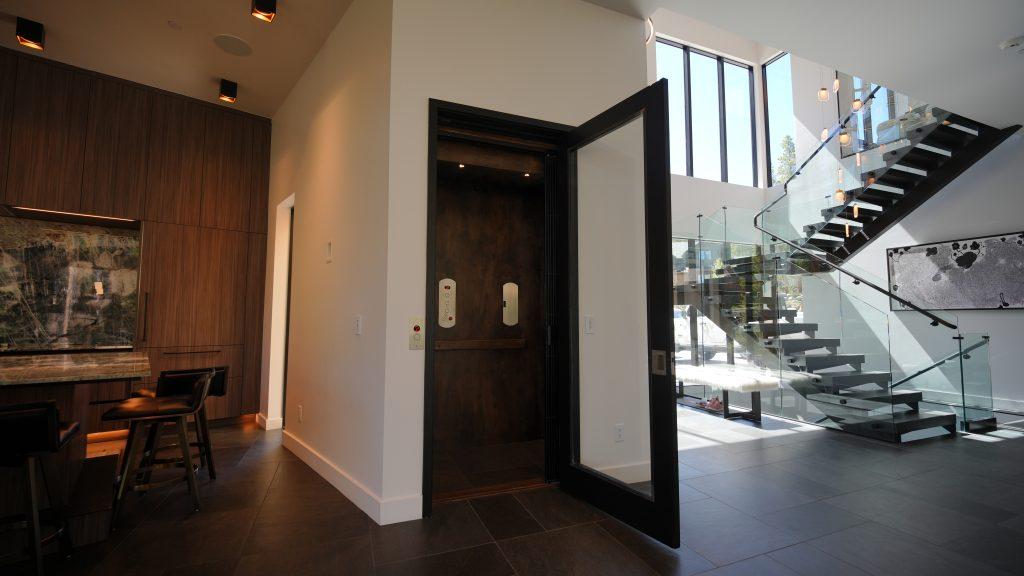
The Cibes Symmetry Residential Elevator is a traditional residential elevator with either inline gear or hydraulic drive systems. Inline gear provides no need for a separate machine room. Hydraulic systems give homeowners other options when choosing how they want the equipment installed.
The data sheet also indicates it may go up to six floors and travel up to fifty feet. Homeowners can choose interior finishes and entrance configurations to match the home. When requesting proposals from potential installers, ask them to provide the specific drive and car dimensions so you can compare the space needed for a wheelchair and an attendant.
3. Savaria Eclipse
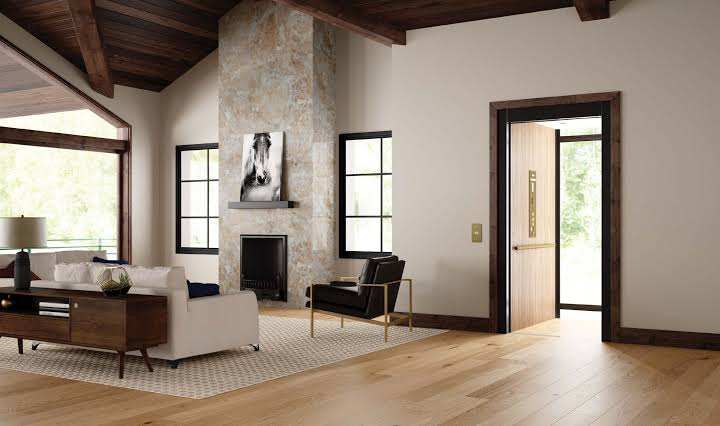
The Savaria Eclipse uses a gear-driven chain system and is installed in a prefabricated hoistway. While you don't need a separate machine room for the gear or chain, you still need an adequate location for the control unit. Additionally, Savaria has developed various car configurations and interior designs.
The Eclipse provides a minimum overhead clearance of 96 inches, depending on the elevator configuration you choose. However, before determining whether the elevator will fit in that space, the installer needs to confirm the pit size and where certain things like the control unit are going to be placed.
4. Stiltz Trio Alta
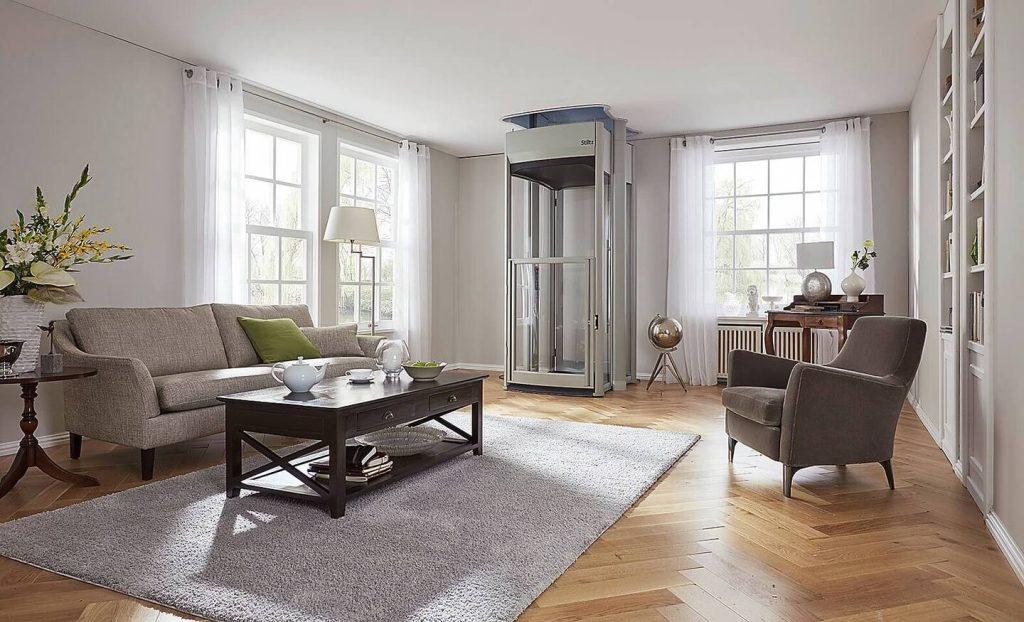
A Stiltz Trio Alta is an under-staircase lift. It's also a floor-through lift. The self-contained support for the lift rail provides structural support, while the mechanical components are located at the head of the lift car. The larger entryway differentiates this from the Duo model, which has a smaller entry area.
According to the manufacturer's U.S. Technical Data Sheet, the maximum rated capacity for the Trio Alta is 550 pounds, although local codes may limit it to 500 pounds. It also has a slight angle to assist with boarding and a gentle slope for exiting. Before purchasing, test the approach and exit with your own wheelchair, including any extended footrests.
5. Stannah Uplifts S3
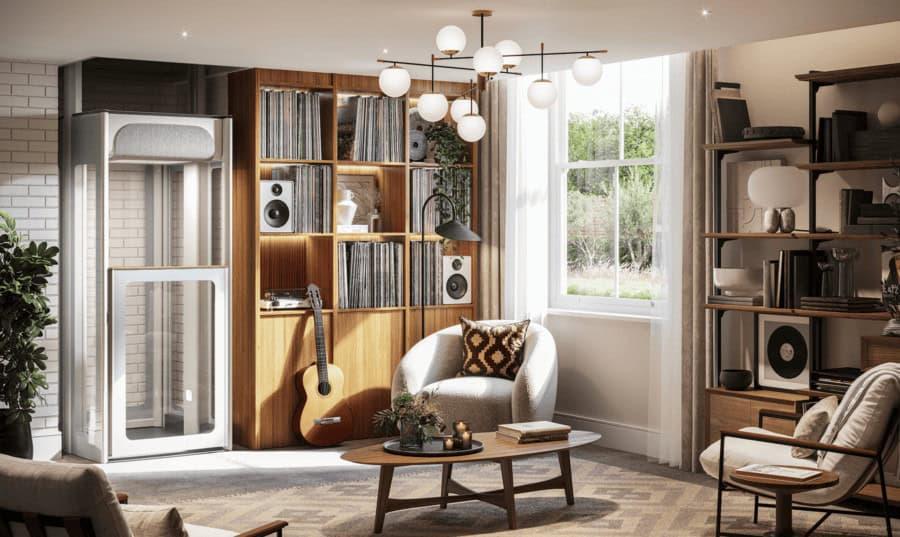
The Stannah Uplifts S3 allows for movement between two floors. Three people can stand on it or one person in a wheelchair, depending on how much weight the lift can hold as well as the available space. This model is also the largest lift Stannah offers in the Uplifts product line.
To use the lift, you must keep pressing down on a pressure plate while traveling. That makes a demonstration particularly important if you have limited hand strength. In addition to assessing your selected entry configuration and boarding area, assess that too.
6. Bruno Connect Classic
The Bruno Connect Classic accommodates 2 riders and has a weight limit of 500 pounds. Bruno states that the car measures 33.5 × 29.5 inches. Since these measurements refer to the car itself, don't use them as your required floor opening.
This unit offers several options, such as a power-open door and a folding seat. These features may provide better assistance in your daily activities than an upgraded design. Test the riding position and control location during your demo and choose a bigger one if your mobility device needs more space.
7. Pneumatic Vacuum Elevators PVE52
The PVE52 is an air-driven elevator with a clear plastic cylinder enclosure. Pneumatic indicates it has a 525-pound capacity and can be configured for operation at up to five levels of service. The manufacturer says the PVE52 offers wheelchair access, but many wheelchairs are too large to enter. The manufacturer also indicates that the elevator's outside diameter is 52 11/16 inches. Test rides should always include the actual wheelchair intended for use in the elevator, as well as anyone who plans to accompany the rider.
8. Inclinator Elevette
The Inclinator Elevette offers custom car sizes and a variety of interior options. This option is worth considering if there is enough space in a house for a typical hoistway, but it requires a car that fits within its dimensions.
Entrance configurations may also affect how easily the user transitions from the elevator to other rooms in their house.
The inclinator's cable-drum and hydraulic drive system supports up to six stops and 50 feet of travel. Travel distances vary depending on the selected drive configuration. Please request drawings that indicate the usable interior area separately from the adjacent hoistway.
9. Residential Elevators LLT-950
The Residential Elevators LLT-950 is a variable-speed traction home elevator designed for installation within a constructed hoistway. Its traction system does not require a separate machine room, which may make it easier to plan equipment space in some homes.
Because this is a traditional residential elevator, homeowners should compare the proposed hoistway size, available overhead, car dimensions, and door arrangement before choosing an installation location. Ask the installer for drawings showing the exact configuration and any structural or electrical preparation required.
10. Pollock Residential Elevator
The Pollock Residential Elevator is a through-the-floor home elevator that travels between two levels. The manufacturer lists a 500-pound capacity and offers multiple size options, making it worth comparing for households that want to add vertical access without a traditional elevator hoistway.
Installation still requires a suitable floor opening and a review of the surrounding space. Ask the installer to confirm the selected car size, landing access, and any optional powered door operation, particularly if a wheelchair or another mobility device will be used.
How should you compare home elevator prices?
The best way to compare home elevator prices is to identify how each bid covers the same scope of work. Equipment prices do not include all costs associated with preparing your home for installation.
Compare the standard options for each bid. Identify which features are upgrades, and make sure both bids include the same number of stops and comparable car sizes. Review each manufacturer's warranties and compare their service/maintenance requirements. While the lowest first cost may matter, it is critical to consider other factors when making this decision.
- The exact model and selected drive system.
- Usable car dimensions, entrance width, and rated load.
- Every landing served and the total travel height.
- Building preparation included in the contract.
- Car door options and any powered operators.
- Warranty coverage and the recommended service schedule.
| Elevator or brand | Price guidance | What to know |
|---|---|---|
| Cibes Antera | $80,000 and up Luxury category planning estimate |
Designed as an architectural feature, with premium materials and customizable controls. An optional touchscreen supports adjustable lighting and personalized floor names. Explore the features. |
| Cibes Symmetry Residential Elevator | $25,000 to $50,000 Traditional residential category planning estimate |
Custom-built in the United States for new construction or existing homes. Interior finishes and fixtures can be selected to complement the surrounding rooms. View design options. |
| Savaria Eclipse | $25,000 to $50,000 | Offers customizable interior finishes and lighting without a separate machine room. The listed estimate includes elevator installation, while construction is priced separately. View pricing and features. |
| Stiltz Trio Alta | Starting around $44,000 | A larger through-the-floor design with room for a wheelchair and a published maximum capacity of 550 pounds, which local codes may limit to 500 pounds. It requires no pit or separate machine room. View the installed package. |
| Bruno home elevators | Starting around $35,000 installed | Available in Compact, Classic, and XL sizes, with a rated capacity of 500 pounds. The size options help match the elevator to the available room and the rider’s space needs. Compare sizes and pricing. |
| PVE52 | $75,000 to $100,000+ installed | An air-driven elevator with a transparent cylindrical enclosure and a wheelchair-accessible layout. Its visible design makes it a prominent feature within the room. View the cost breakdown. |
| Pollock’s general guidance | $25,000 to $50,000 or more | Options are available for existing homes. The installation layout depends on the floors served and the building modifications needed to accommodate the equipment. Read about pricing and installation. |
FAQ
What is the best home elevator for an older adult?
The best home elevator for an older adult will fit within the available space you plan to use for travel and meet the individual's accessibility needs. When comparing features such as usable interior space, entrance clearance, controls, and local vendor service, we recommend a walk-through test.
Can every home elevator accommodate a wheelchair?
No. Home elevators vary in capability by design. Some designs support only standing riders, while others allow enough room for a wheelchair. Measure the overall size of the intended chair compared to the clear entrance and usable interior dimensions.
Can you add a home elevator to an existing house?
Yes. You may be able to install a home elevator in your current home, depending on the results of a site survey.
Do all home elevators need a machine room?
No. Several models in this comparison do not require a separate machine room. They still need appropriate space for their equipment and service access. Ask the installer to show those requirements on the selected model’s drawings.


Comments